


Preparing for the Unexpected: Emergency Preparedness Techniques

Emergencies can strike without warning. Whether it’s a natural disaster, a power outage, or a sudden medical crisis, being ready can make all the difference. I’ve learned that preparation is not just about having supplies but also about knowing what to do when the unexpected happens. This post will guide you through practical steps and techniques to build confidence and resilience in any situation.
Understanding Emergency Preparedness Techniques
Emergency preparedness techniques are the skills and strategies that help you respond effectively during a crisis. These techniques cover everything from planning and communication to first aid and evacuation. The goal is to reduce panic, protect lives, and minimize damage.
One of the first things I recommend is creating a clear emergency plan. This plan should include:
Identifying potential risks in your area or workplace.
Designating safe meeting spots for family or team members.
Assigning roles and responsibilities to ensure everyone knows what to do.
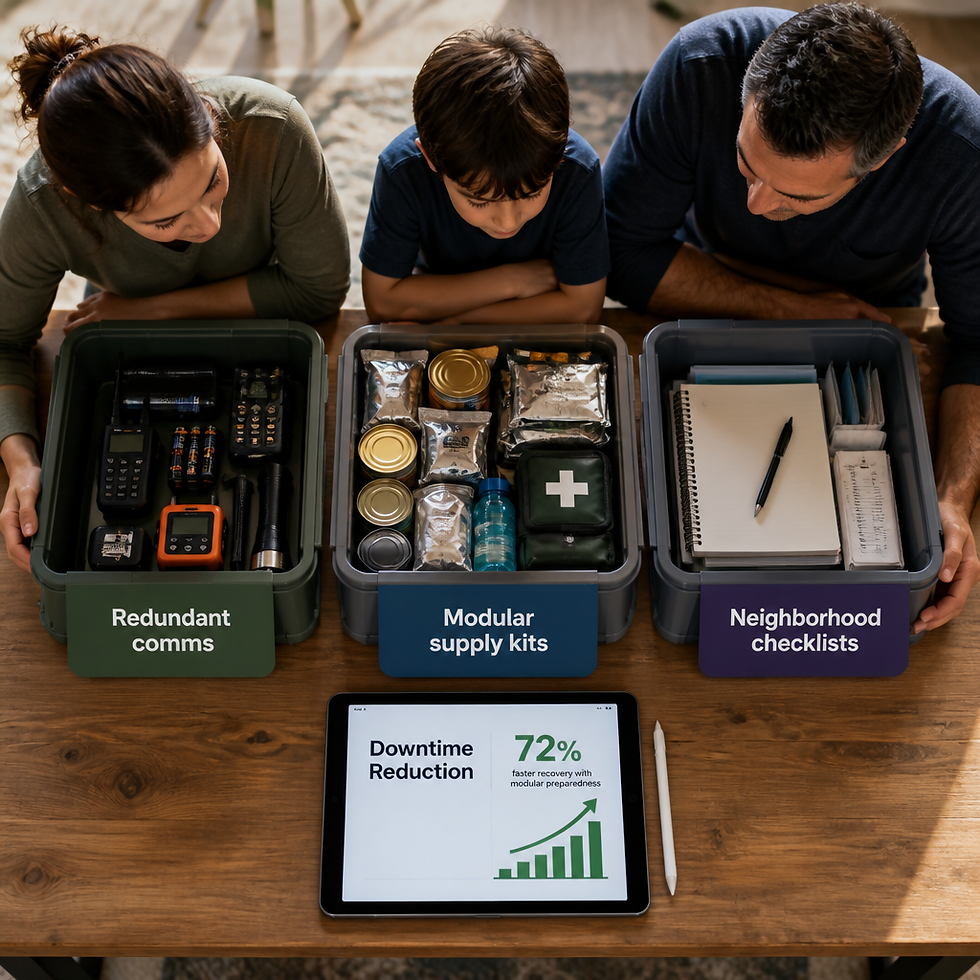
Preparing emergency kits with essentials like water, food, flashlights, and medical supplies.
Practicing these techniques regularly is just as important as having a plan. Drills and simulations help reinforce what to do and reveal any gaps in your preparation.
What are the 5 P's of emergency preparedness?
The 5 P's are a simple way to remember the key elements of being ready for emergencies. They stand for:
Proper Planning - Think ahead about what could happen and how you will respond.
Prior Preparation - Gather supplies and information before an emergency occurs.
Promptness - Act quickly and decisively when an emergency arises.
Practice - Regularly review and rehearse your emergency plans.
Persistence - Stay committed to maintaining readiness over time.
By focusing on these five principles, you can build a strong foundation for safety. For example, proper planning might involve mapping out evacuation routes from your home or office. Prior preparation could mean assembling a go-bag with essentials. Promptness ensures you don’t waste precious time during a crisis. Practice helps everyone stay calm and confident. Persistence keeps your plans updated and your supplies fresh.
Building Skills Through Emergency Preparedness Training
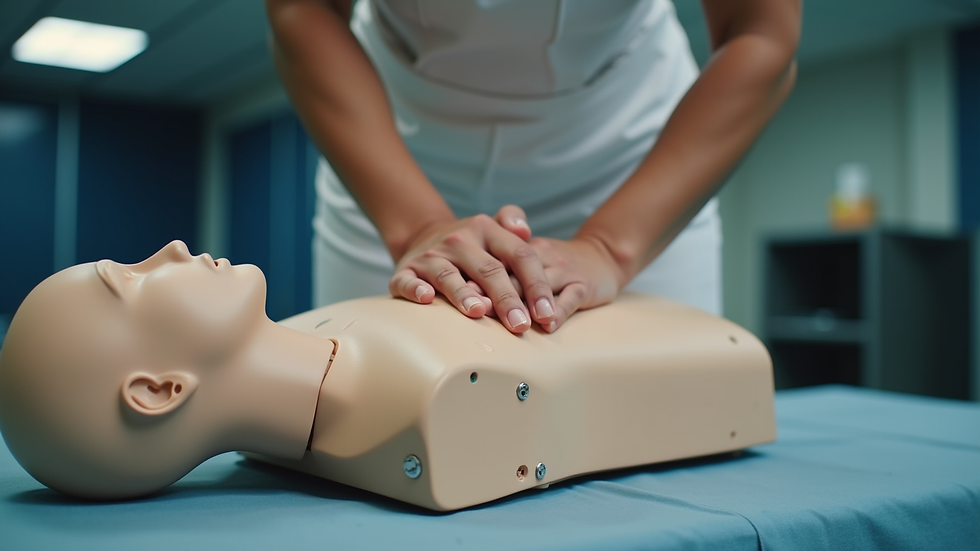
One of the best ways to prepare is through emergency preparedness training. This training provides hands-on experience and expert guidance on how to handle various emergencies. It covers topics like CPR, fire safety, communication protocols, and more.
I’ve found that training sessions not only teach valuable skills but also boost confidence. When you know what to do, you’re less likely to freeze or panic. Training also encourages teamwork, which is crucial in any emergency.
If you’re responsible for a group, consider organizing regular training sessions. This ensures everyone stays sharp and ready. For individuals and families, look for local workshops or online courses that fit your schedule.
Practical Tips for Everyday Emergency Preparedness
Emergency preparedness doesn’t have to be overwhelming. Here are some simple, actionable tips you can start using today:
Keep important documents in a waterproof container. This includes IDs, insurance papers, and medical records.
Create a communication plan. Decide how you will contact each other if phones or internet are down.
Know your neighbors. Building a community network can provide support during emergencies.
Stay informed. Sign up for local alerts and weather warnings.
Maintain your emergency supplies. Check expiration dates and replace items as needed.
Remember, preparedness is a continuous process. Review your plans and supplies at least twice a year. Adjust them based on changes in your environment or family situation.
Staying Calm and Focused When It Matters Most
In an emergency, staying calm is one of the most important things you can do. Panic can cloud judgment and slow your response. Here are some strategies to help maintain focus:
Take deep breaths. This helps reduce stress and clear your mind.
Follow your plan. Trust the preparation you’ve done.
Communicate clearly. Use simple, direct language to avoid confusion.
Prioritize safety. Focus on protecting yourself and others first.
Adapt as needed. Be flexible if the situation changes.
Practicing mindfulness and stress management techniques regularly can improve your ability to stay calm under pressure. This mental preparedness complements your physical readiness.
Creating a Culture of Preparedness
Whether at work or home, fostering a culture of preparedness benefits everyone. Encourage open discussions about safety and emergency plans. Share resources and training opportunities. Celebrate small wins like completing a drill or updating your emergency kit.
By making preparedness a priority, you help build resilience and reduce anxiety. People feel more secure knowing they have a plan and the skills to act.
Emergency preparedness is a journey, not a one-time task. By learning and applying these techniques, you can face the unexpected with confidence and calm. Start today by taking small steps - your future self will thank you.
As always, Threshold Readiness is here to help. Visit us at www.thresholdreadiness.com
"Be Safe, Be Ready"!


Comments