


Creating Effective Emergency Checklists: Understanding Their Importance

When unexpected situations arise, having a clear plan can make all the difference. I have found that creating effective emergency checklists is one of the best ways to stay prepared. These lists help organize essential tasks and items, reducing stress and confusion during critical moments. Whether for a business, family, or individual use, a well-crafted checklist ensures nothing important is overlooked.
Why Emergency Checklists Are Essential
Emergency checklists importance cannot be overstated. They serve as a roadmap during chaos, guiding you step-by-step through what needs to be done. Emergencies often come with high pressure and limited time. Without a checklist, it’s easy to forget crucial actions or supplies.
For example, in a fire evacuation, a checklist might include shutting off utilities, grabbing important documents, and ensuring everyone is accounted for. In a business setting, it could cover notifying employees, securing sensitive data, and contacting emergency services.
By having these steps written down, you reduce the chance of panic-driven mistakes. The checklist becomes a trusted companion, helping you stay calm and focused.
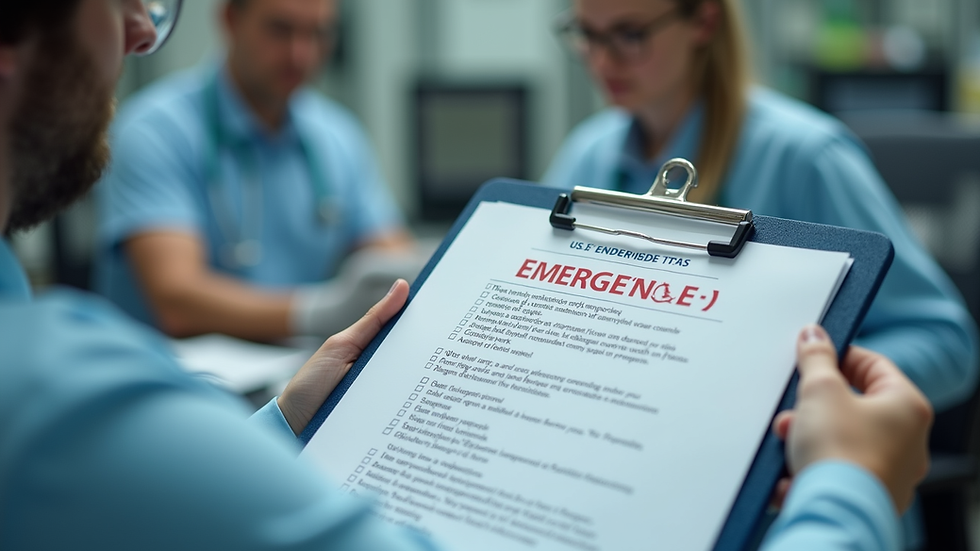
How to Build Your Emergency Checklist
Creating an effective emergency checklist starts with understanding your specific risks and needs. Here’s a simple process I follow:
Identify Potential Emergencies
Think about the types of emergencies most likely to affect your location or situation. This could include natural disasters like floods or earthquakes, power outages, medical emergencies, or security threats.
List Essential Actions
For each emergency type, write down the critical steps to take. Prioritize safety first, then property protection, and finally communication.
Gather Necessary Supplies
Include items you will need to carry out the actions. This might be first aid kits, flashlights, water, or important documents.
Assign Responsibilities
If you are preparing for a group or family, assign tasks to specific people. Clear roles help avoid confusion.
Review and Update Regularly
Emergencies and circumstances change. Set a reminder to review your checklist every six months or after any major life changes.
Here’s a quick example for a home emergency checklist:
Turn off gas and electricity if safe
Grab emergency kit and important documents
Evacuate to designated safe area
Call emergency contacts
Check on neighbors if possible
This simple structure keeps things manageable and actionable.
How Much Cash Should I Keep in My Go Bag?
One question I often get is about cash. In emergencies, electronic payment systems might be down. Having some cash on hand is a smart move.
How much cash should you keep? I recommend keeping at least $100 to $200 in small bills. This amount is enough to cover basic needs like food, water, or transportation if needed. Smaller bills ($1, $5, $10) are preferable because they are easier to use for small purchases.
Store the cash in a waterproof pouch inside your go bag or emergency kit. Make sure to check and refresh the bills periodically to avoid damage or expiration.
Remember, cash is just one part of your emergency supplies. Combine it with other essentials like water, food, and first aid items for a well-rounded kit.

Tips for Using Emergency Checklists Effectively
Having a checklist is only helpful if you use it properly. Here are some tips I’ve found useful:
Keep it Accessible
Store your checklist in multiple places: printed copies in your emergency kit, digital copies on your phone, and shared with family or team members.
Practice Regularly
Run drills or walkthroughs using your checklist. This helps everyone become familiar with the steps and identify any gaps.
Keep It Simple
Avoid overcomplicating your checklist. Use clear, concise language and break down tasks into manageable steps.
Customize for Different Scenarios
Create separate checklists for different emergencies. For example, one for fire, one for severe weather, and another for medical emergencies.
Use Visual Aids
Incorporate icons or color coding to highlight priority actions or items. This makes the checklist easier to scan quickly.
By following these tips, your emergency checklist becomes a practical tool rather than just a piece of paper.
Building Resilience Through Preparedness
Preparedness is about more than just surviving an emergency. It’s about building resilience so you can recover quickly and reduce long-term impacts. Effective emergency checklists play a key role in this process.
When you have a plan and the right supplies ready, you feel more confident and less anxious. This mindset helps you make better decisions and support others around you.
Organizations and businesses benefit greatly from emergency checklists by minimizing downtime and protecting assets. Families and individuals gain peace of mind knowing they are ready for whatever comes.
I encourage you to start creating or updating your emergency checklists today. It’s a small effort that pays off in safety and security.
By focusing on clear, actionable steps and regular practice, you can turn emergency checklists into a powerful tool for safety and preparedness. Remember, the goal is to create safer, stress-free environments for everyone involved. For more detailed guidance, check out this resource on emergency checklists.
Stay prepared, stay safe!


Comments