


Master Emergency Training Techniques for Effective Preparedness
- Evan Swanson

- May 23
- 3 min read
When unexpected situations arise, knowing how to respond quickly and effectively can save lives and reduce damage. Mastering emergency training techniques is essential for anyone who wants to be ready for crises, whether at work, home, or in the community. I’m here to guide you through practical methods and strategies that build confidence and competence in emergency situations.
Understanding Key Emergency Training Techniques
Emergency training techniques focus on preparing individuals and groups to act decisively during critical moments. These techniques cover a range of skills, from basic first aid to complex evacuation procedures. The goal is to ensure that everyone knows their role and can perform it under pressure.
Some of the most effective emergency training techniques include:
Scenario-based drills: Practicing real-life situations helps participants understand what to expect and how to react.
Clear communication protocols: Learning how to give and receive instructions quickly and accurately.
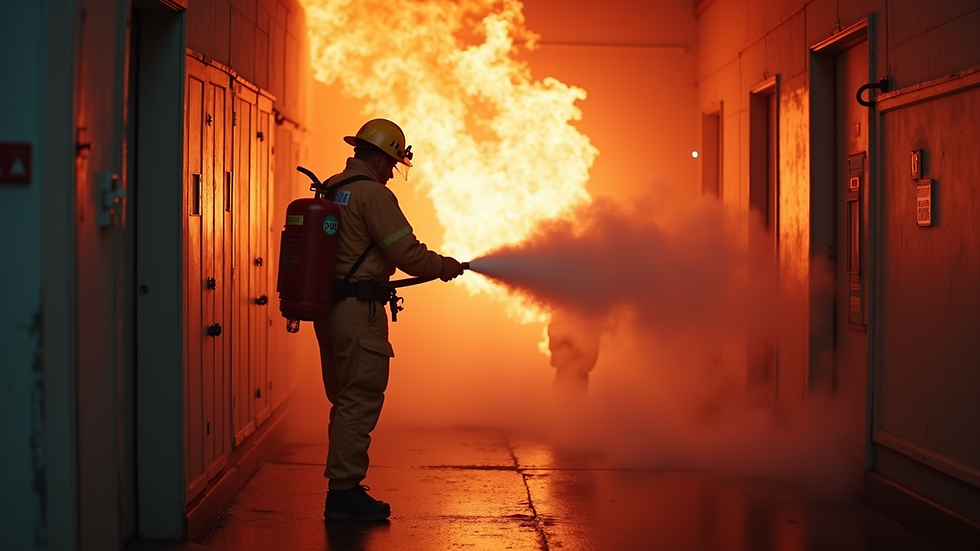
Use of emergency equipment: Training on how to operate fire extinguishers, defibrillators, and other lifesaving tools.
Stress management: Techniques to stay calm and focused during emergencies.
Team coordination: Working together efficiently to maximize safety and minimize confusion.
By focusing on these areas, you can develop a well-rounded skill set that prepares you for a variety of emergencies.
Practical Steps to Enhance Your Emergency Training Techniques
To truly master emergency training techniques, it’s important to approach learning with a clear plan and consistent practice. Here are some actionable steps you can take:
Start with a risk assessment: Identify the most likely emergencies in your environment. This helps tailor your training to relevant scenarios.
Develop a training schedule: Regular sessions keep skills sharp and build muscle memory.
Incorporate hands-on practice: Simulations and drills are more effective than lectures alone.
Use checklists and guides: These tools help reinforce procedures and ensure nothing is overlooked.
Evaluate and improve: After each drill, review what went well and what needs adjustment.
For example, if you work in an office, practice evacuations for fire or earthquake scenarios. If you’re preparing your family, focus on home safety and first aid basics. The key is to make training realistic and repeat it often.
What are the 5 levels of emergency response training?
Emergency response training is often structured into five levels, each building on the previous one to increase knowledge and skills:
Awareness Level: This is the introductory stage where participants learn to recognize potential hazards and understand basic safety principles.
Operations Level: At this level, individuals gain hands-on skills to respond to emergencies, such as using fire extinguishers or performing CPR.
Technician Level: This advanced training involves specialized skills for handling hazardous materials or complex rescue operations.
Specialist Level: Specialists focus on specific areas like medical response, hazardous waste management, or technical rescue.
Incident Commander Level: This highest level trains individuals to manage and coordinate emergency responses, making strategic decisions under pressure.
Understanding these levels helps organizations and individuals choose the right training path based on their roles and responsibilities.

Building Confidence Through Consistent Practice
Confidence is a crucial part of effective emergency response. Without it, hesitation can lead to mistakes or delays. To build confidence, practice is essential. Here’s how to make the most of your training sessions:
Repeat drills regularly: Frequent practice helps embed skills into your routine.
Simulate real conditions: Use realistic scenarios, including noise, low visibility, or time pressure.
Encourage questions and feedback: Open communication helps clarify doubts and improve techniques.
Celebrate progress: Recognize improvements to motivate continued learning.
For example, during a fire drill, practice evacuating the building using different routes. This prepares you for unexpected obstacles and builds adaptability.
Integrating Emergency Training Techniques into Daily Life
Emergency preparedness isn’t just for special training days. Integrating these techniques into everyday routines makes safety a natural part of life. Here are some tips:
Keep emergency kits accessible: Regularly check and update supplies at home and work.
Review safety plans: Go over evacuation routes and contact lists with family or coworkers.
Stay informed: Follow local alerts and updates about potential hazards.
Practice mindfulness: Being aware of your surroundings helps you notice risks early.
By making these habits part of your daily life, you create a safer environment and reduce stress when emergencies occur.
Taking the Next Step in Preparedness
Mastering emergency training techniques is a journey, not a one-time event. By committing to ongoing learning and practice, you build resilience that benefits everyone around you. Whether you’re responsible for a team, a household, or just yourself, these skills empower you to face emergencies with calm and clarity.
If you want to deepen your knowledge, consider exploring professional emergency response training programs. They offer structured courses designed to meet diverse needs and help you become a trusted safety leader.
Remember, preparedness is the best protection. Start today, and take control of your safety with confidence and care. "Be Safe, Be Ready".


Comments